

Roof inspections are essential for figuring out potential issues and guaranteeing the longevity of your roof. Regular inspections can help detect problems early, preventing expensive repairs or replacements down the line. Here are some widespread methods and steps for conducting a roof inspection:
Visual Inspection:
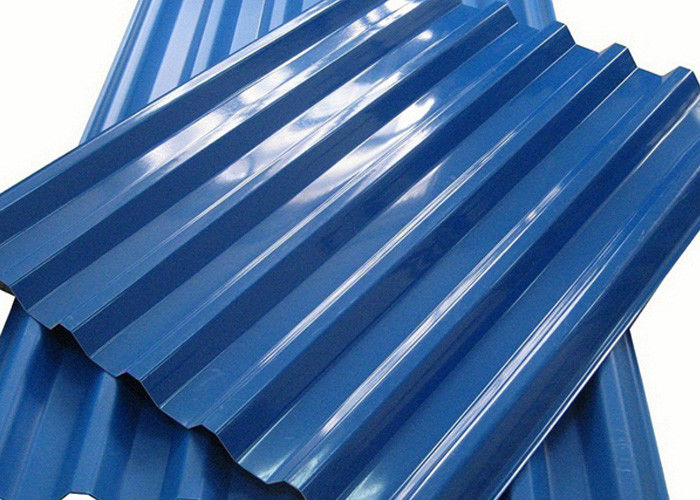
a. Exterior Inspection:
Start by inspecting the roof from the bottom using binoculars or by safely climbing onto a ladder to get a more in-depth look.
Look for visible indicators of damage, corresponding to lacking or damaged shingles, curling or buckling shingles, or free or deteriorated flashing around roof penetrations.
Check for debris, moss, algae, or lichen growth on the roof, which might indicate moisture-related points.
Inspect the gutters and downspouts for granules from shingles, as excessive granule loss can signal shingle put on.
b. Interior Inspection:
Go into the attic or crawl area and inspect the underside of the roof deck for signs of leaks, moisture, or water stains.
Look for daylight coming by way of cracks or holes within the roof deck, which may point out roof injury.
Check for indicators of insulation damage, mold, or mildew growth, which can result from roof leaks.
Roof Walk:
a. If website to do so, walk on the roof floor to examine it up close.
b. Be cautious and wear applicable security gear, such as non-slip footwear and a safety harness if needed.
c. Look for any soft or spongy areas, which could point out underlying damage.
d. Check for unfastened or damaged roofing supplies, in addition to signs of wear and tear and tear.
Moisture Detection:
a. Use a moisture meter to detect hidden moisture throughout the roof construction and insulation.
b. Moisture detection can help determine leaks or areas of potential water intrusion that may not be seen.
Drone Inspection:
a. Drones geared up with cameras can provide a comprehensive view of the roof floor with out the need for direct bodily entry.
b. A drone inspection can be especially helpful for larger or hard-to-reach roofs.
Professional Inspection:
a. Consider hiring a professional roofing contractor or inspector to conduct an intensive inspection.
b. Professionals have the experience, instruments, and experience to establish points that is probably not apparent to a homeowner.
Documentation:
a. Document your findings with photographs and notes to create a report of the roof's situation.
b. This documentation can be helpful for tracking adjustments over time and for insurance coverage claims or repairs.
It's necessary to carry out roof inspections frequently, ideally a minimum of once a year, and after severe weather events like storms. Additionally, if you're not comfortable or confident in your ability to perform a roof inspection safely, it's advisable to rent a certified roofing professional to make sure a thorough and accurate evaluation of your roof's situation..