

Roofing is a important component of structure for several important causes:
Protection from the Elements: One of the primary functions of a roof is to supply shelter and safety from environmental parts such as rain, snow, wind, and excessive temperatures. It prevents water from coming into the constructing, which might trigger structural harm, mould growth, and other issues.
Structural Integrity: Roofs play an important position in maintaining the structural integrity of a building. They distribute the burden of the roof and any hundreds (e.g., snow) evenly to the walls and basis. A well-designed and properly constructed roof ensures the stability and safety of the whole structure.
Aesthetics and Design: Roofs are a visual and outstanding part of a constructing's exterior. Architects use roof design to reinforce the overall aesthetics of a structure. The shape, materials, and style of the roof can contribute to the architectural character and appeal of a building.
Environmental Considerations: Sustainable structure locations an emphasis on energy efficiency and environmental accountability. Roofing materials and design can impact a building's vitality efficiency. For instance, cool roofs can replicate more daylight and take up less warmth, reducing cooling prices and urban warmth island effects.
Natural Lighting and Ventilation: Roof design can incorporate options like skylights, dormers, and roof vents to provide pure lighting and ventilation inside a building. This can improve indoor consolation and scale back the need for artificial lighting and mechanical ventilation.
Historical and Cultural Significance: In some architectural types, similar to Gothic or Victorian, the roof is usually a key component that reflects the historic and cultural context of a building. Roof particulars and shapes can inform a narrative about the period in which a structure was constructed.
Space Utilization: Roof design can create further usable house within a building, such as attic rooms, rooftop gardens, or outside living areas. Architects often consider how to maximize space and performance when designing roofs.
Energy Efficiency: Energy-efficient roofing supplies and design can contribute to a constructing's total power performance. Proper insulation and ventilation can help regulate indoor temperatures and reduce heating and cooling costs.
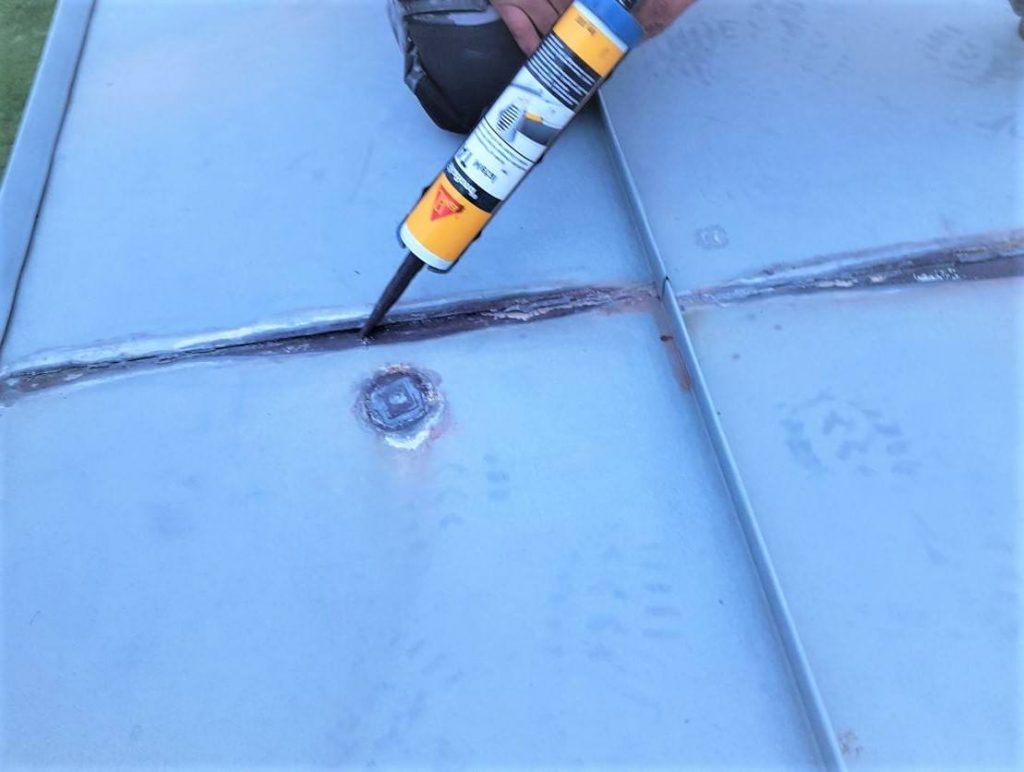
https://roofrestorationcamden.com.au/metal-roof-repair/ and Fire Resistance: Roofing materials are chosen with security in mind. Some materials, like fire-resistant roofing, might help prevent the spread of fires in a constructing, offering priceless time for occupants to evacuate.
In abstract, roofing is a basic side of architecture that combines functional and aesthetic considerations. It not only protects the inside of a constructing from the weather but in addition contributes to the overall design, sustainability, and safety of a construction. Architects carefully think about roofing supplies, shapes, and options to realize their design objectives while making certain the comfort and well-being of constructing occupants..